Property Cost Analyzer

Get a quick read on how rent, vacancy, expenses, NOI, and cap rate work together.

Property Owners

Good property management should make ownership feel lighter.

Most owners do not start exploring other options because of one dramatic event. It is usually a pattern: slower follow-through, softer screening, longer vacancy, reactive maintenance, and reporting that leaves too much unsaid.

Steady Communication Cleaner Operations Smarter Pricing Better Follow-Through
House in good hands icon
Owner Snapshot
What owners notice first
Leasing PaceHow long does a good unit actually sit?
Maintenance FlowOrganized process or recurring scramble?
Tenant QualityCareful screening or rushed approvals?
Owner VisibilityClear decisions or monthly guesswork?
What owners are really buying Not just rent collection. They are buying consistency, judgment, and follow-through.
What breaks trust Slow response, vague reporting, repeated turnover, and preventable maintenance friction.
What restores confidence Clear standards, cleaner systems, better communication, and fewer avoidable surprises.

Owner Signals

What good management actually feels like.

The best setups are not loud. They are steady. A property runs better when pricing is grounded, residents are screened carefully, maintenance is handled early, and the owner is not left piecing the story together alone.

Fewer avoidable vacancies

Units are priced with discipline, marketed well, and turned quickly instead of drifting on the market.

Calmer maintenance

Problems are handled before they become dramatic, expensive, and tenant-facing.

Better resident quality

Screening is consistent enough to protect the property without slowing the process into paralysis.

Cleaner owner visibility

Statements and updates tell you what happened, what matters, and what comes next.

Our Shared Goal

Maximizing your returns with minimal hassle.

At A-V Property Management, the job is not just to “manage a rental.” The job is to protect income, reduce friction, preserve the property, and make ownership feel more stable month after month.

Higher confidence You know what is happening, why it matters, and where things stand.
Lower drag Vacancies, turnovers, and sloppy follow-through are expensive. Tight operations matter.
Stronger long-term value Good management protects both current cash flow and the property itself.
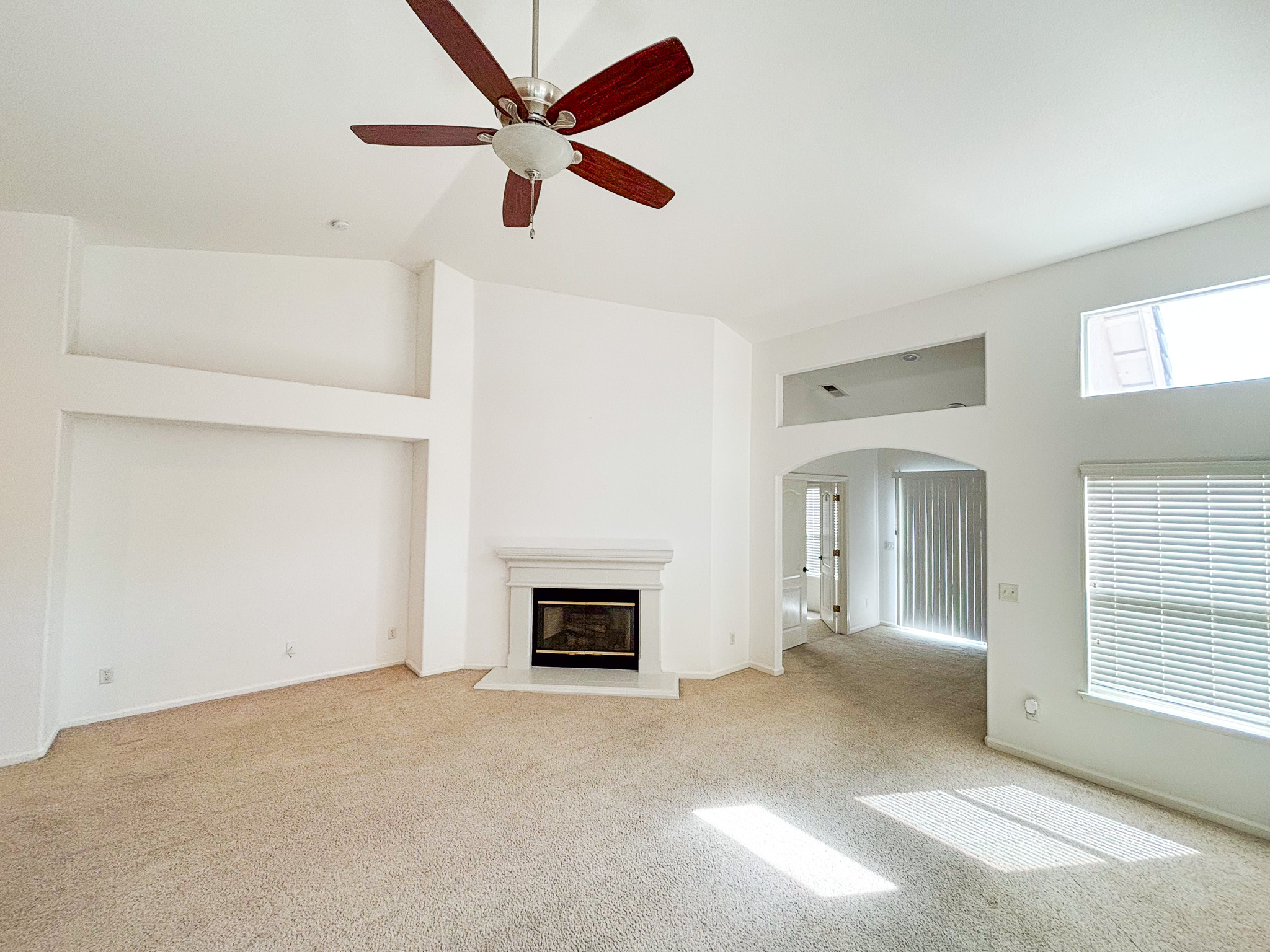
Vaulted two-story living room with staircase
95%+ Occupancy focus for stronger consistency
24/7 Emergency maintenance mindset
10–20% Net return improvement through tighter controls
15% Typical first-year upside target

Before You Change Companies

Compare the things that actually move the needle.

Most owners do not leave because of one giant mistake. They leave because a dozen smaller misses keep adding up.

Category What strong management looks like What weak management costs you
Pricing Market-aware rent strategy with low vacancy drag Lost income from underpricing or stale listings
Tenant Quality Consistent screening and better resident retention Turnover, damage, payment issues, and more friction
Maintenance Fast response and proactive upkeep Bigger repair bills and avoidable tenant frustration
Reporting Clear monthly visibility and fewer owner question marks Confusion, missed trends, and weaker decisions
Communication Timely updates and documented follow-through Owner frustration and blind spots at the worst moments

When Owners Ask Us To Take A Second Look

We start with the criteria that usually decide whether an investment feels steady or stressful.

This is less about sales language and more about pattern recognition. Where is income being protected? Where is time being lost? Where does the system feel tight, and where does it feel loose?

Rent Position
Vacancy Time
Turnover Quality
Maintenance Handling
Resident Retention
Owner Reporting
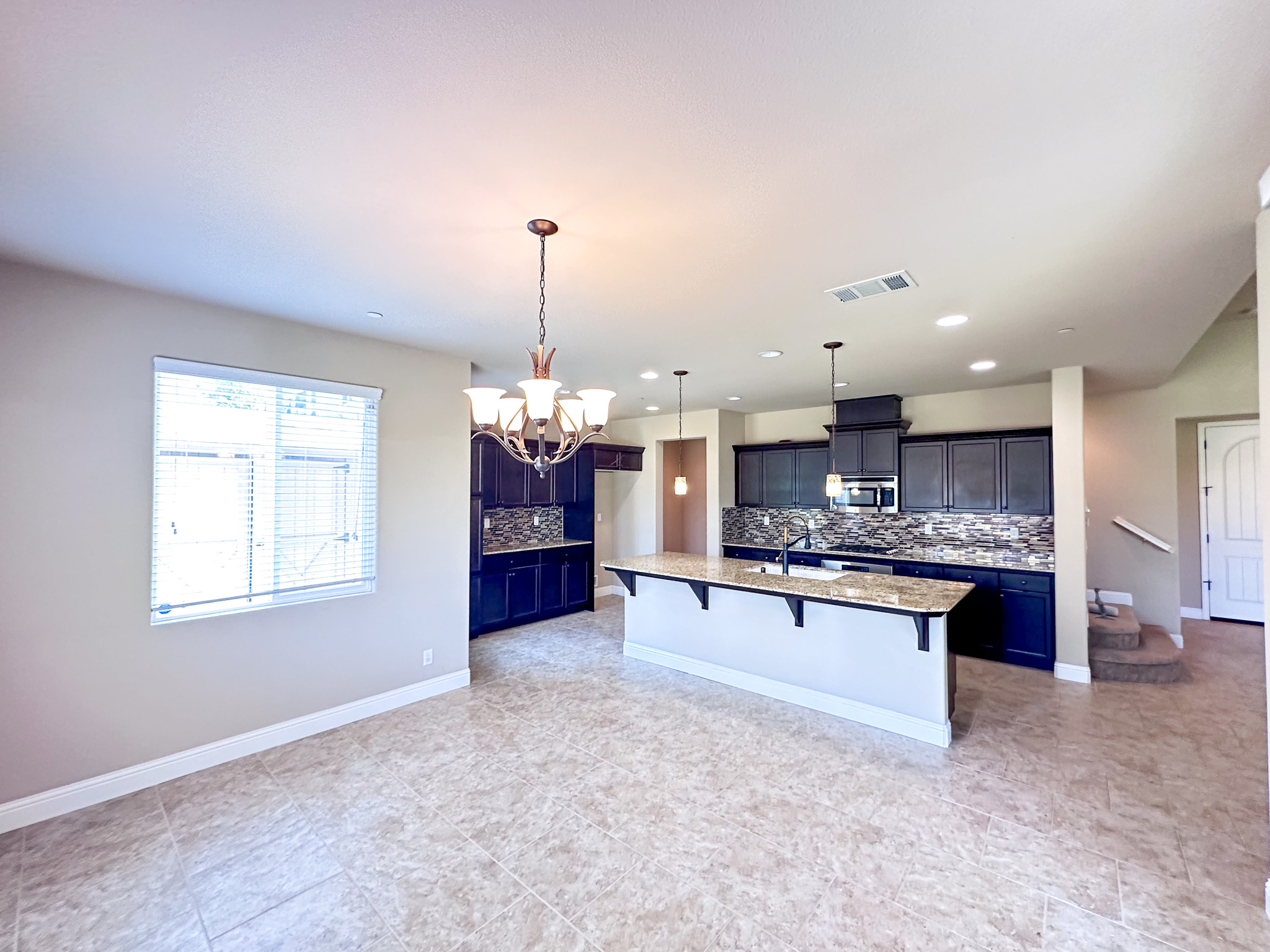
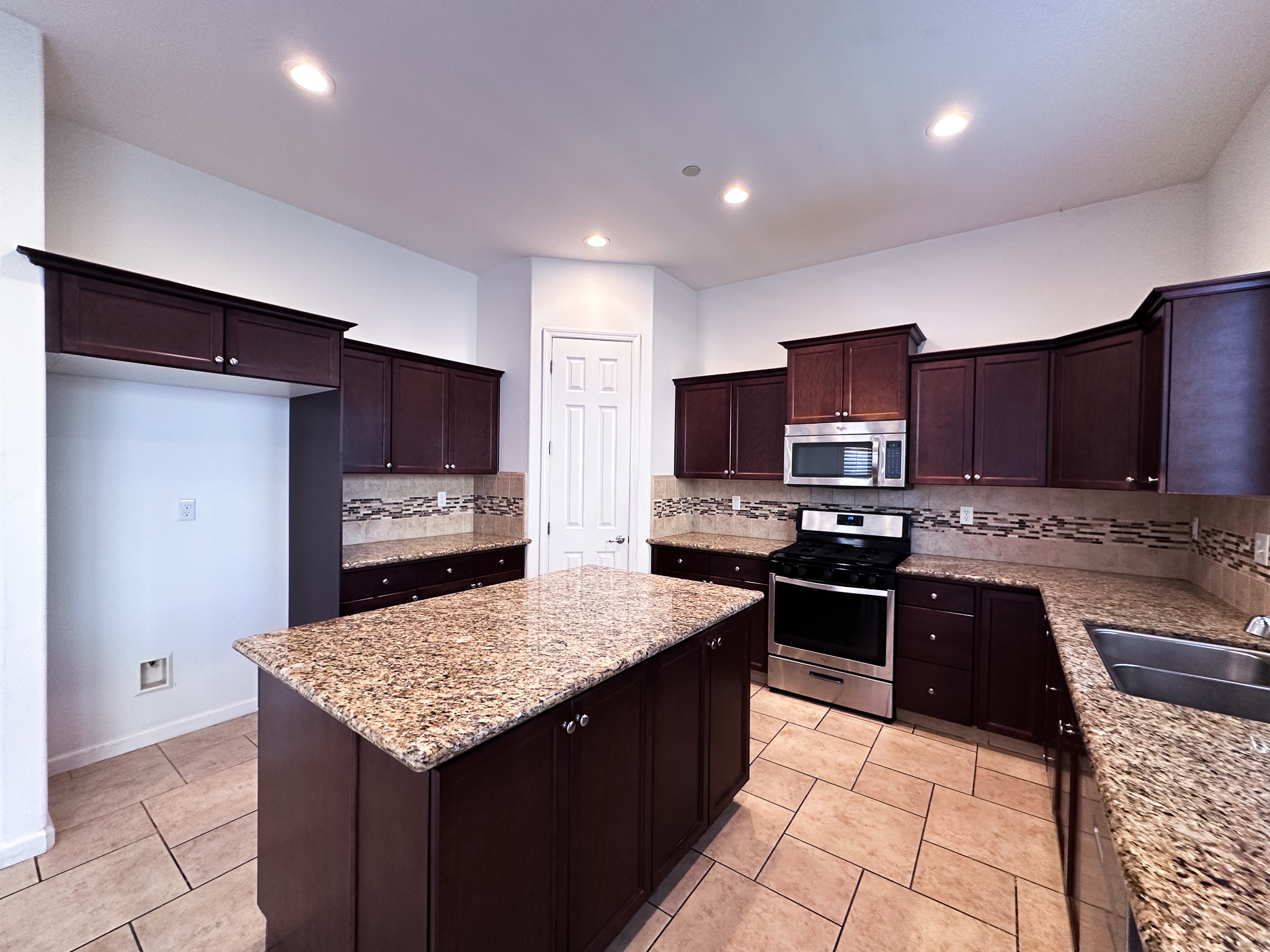
Kitchen with granite countertops

What a second look should give you

  • A clearer view of where current management is helping or quietly hurting.
  • A practical look at rent opportunity, vacancy drag, and operational inefficiencies.
  • Better questions to ask before you hand the next lease cycle to the wrong team.

Questions Smart Owners Ask

What should you actually ask before changing companies?

Not “Do you care about my property?” Everyone says yes. Ask the questions that reveal how the operation really runs.

Ask how they balance rent targets against days on market, seasonality, condition, and competing inventory. A good answer should sound like a strategy, not a shrug.

Ask what standards are applied consistently, how rental history is weighed, and how they avoid approving avoidable problems just to fill a vacancy faster.

Strong management has a clear process, clear vendor relationships, and clear thresholds for response. Weak management creates confusion, delay, and expensive improvisation.

Owners should be able to see what was collected, what was spent, what is pending, and what needs attention without playing detective every month.

Ask how increases are handled, when retention makes more sense than turnover, and how they decide whether to push harder or keep a good resident in place.

Neighborhood Positioning

Rental value is shaped by more than the house itself.

It is influenced by the neighborhood, nearby conveniences, school and commute patterns, curb appeal, street feel, and how the property presents the moment someone pulls up or scrolls past it online. Strong location signals make a listing easier to market, easier to justify, and easier to hold with confidence.

Location perception Renters make fast assumptions based on the block, not just the floorplan.
Drive time + convenience Distance to work, schools, and daily needs changes perceived value.
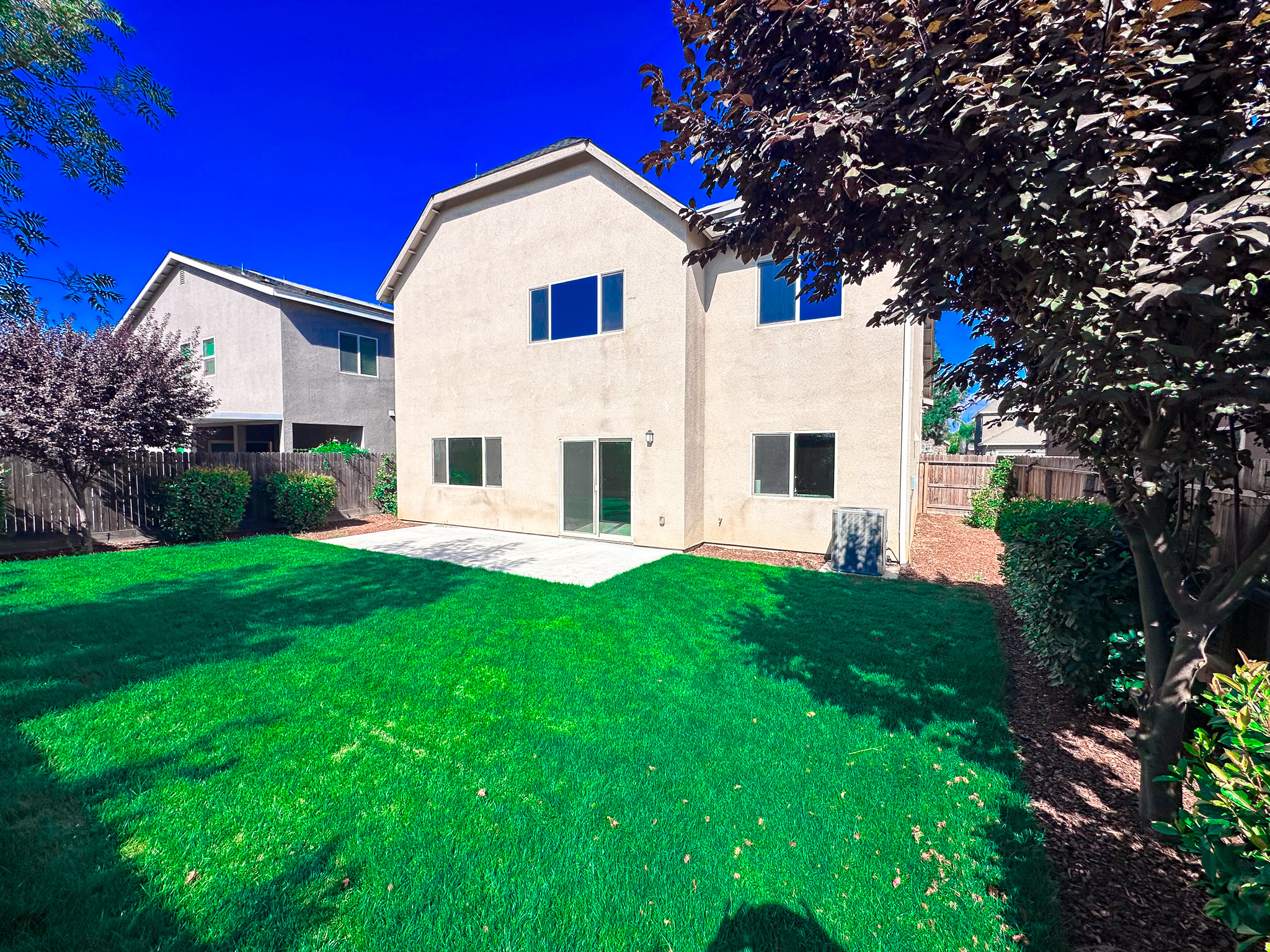
Curb appeal Exterior presentation still sets the tone before the front door even opens.

Why Partner With Us

Profit-minded management with less friction.

Better pricing, tighter operations, lower vacancy drag, and cleaner communication. That is the game.

“Working with A-V turned my rental from a chore into a real investment again.”

— John D., Owner

“They kept me informed, tightened up operations, and gave me a much clearer picture of returns.”

— Melissa R., Owner

“Vacancy time dropped, communication improved, and the whole thing became much less chaotic.”

— David T., Owner

Ready to Get Started?

Let’s talk about your properties and where the upside is.

If you are weighing a change, the smartest next move is not another promise. It is a sharper look at how the property is being priced, maintained, renewed, and reported — and whether that standard is good enough for where you want the investment to go.